
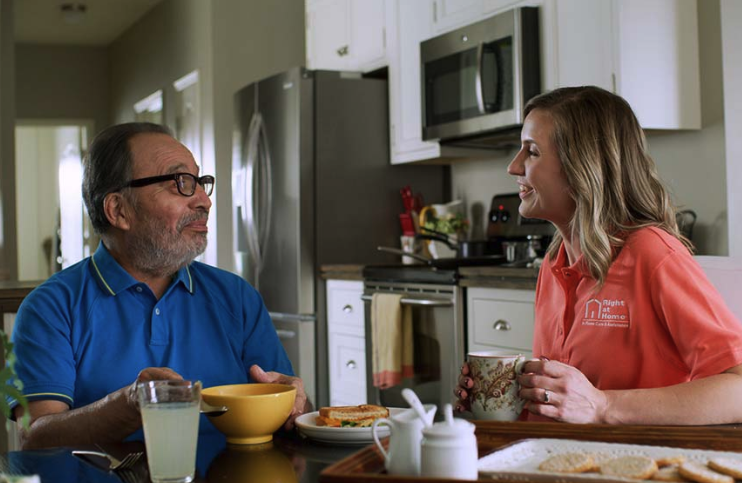
Eating is an essential part of daily life, providing the nutrition and energy needed to maintain health and wellbeing. For people living with Parkinson’s disease, however, mealtimes can sometimes become more challenging.
Changes in movement, muscle control, and coordination can affect how easily someone can chew, swallow, or handle utensils. Tremors, stiffness, and slower movement may also make eating feel frustrating or exhausting.
For caregivers, understanding these challenges and learning simple strategies can make mealtimes safer, more comfortable, and less stressful. With the right support, individuals living with Parkinson’s can continue to enjoy meals and maintain good nutrition.
Why Parkinson’s Can Affect Eating
Parkinson’s disease affects the muscles used for movement throughout the body, including those involved in chewing and swallowing.
The same neurological changes that cause tremors and stiffness can also affect facial muscles, the jaw, and the throat. These changes may make chewing slower or swallowing more difficult.
Some people living with Parkinson’s may also experience reduced appetite, fatigue during meals, or difficulty coordinating hand movements while holding utensils.
These challenges do not happen to everyone, but when they do occur, they can make mealtimes feel overwhelming without proper support.
Creating a Calm Mealtime Environment
A relaxed environment can make a significant difference when someone with Parkinson’s is eating.
Caregivers can help by reducing distractions such as loud televisions or busy surroundings. A quiet and comfortable setting allows the person to concentrate on chewing and swallowing safely.
Providing plenty of time to eat is also important. Rushing meals can increase stress and raise the risk of choking.
Encouraging a calm and unhurried pace allows the person to eat more comfortably.
Supporting Comfortable Posture
Posture plays an important role in safe swallowing.
When someone with Parkinson’s is eating, they should ideally be seated upright with their feet flat on the floor. This position helps food travel safely through the throat and reduces the risk of choking.
If needed, supportive chairs or cushions can help maintain good posture during meals.
Caregivers should also encourage the person to remain seated upright for a short period after finishing their meal.
Choosing Foods That Are Easier to Manage
Certain foods may be easier to chew and swallow for people living with Parkinson’s.
Soft foods such as cooked vegetables, yoghurt, eggs, soups, and stews can be easier to manage than very dry or hard foods.
Foods that are crumbly or difficult to chew may increase the risk of choking.
Cutting food into smaller pieces can also help make eating more manageable.
In some cases, healthcare professionals may recommend specific dietary adjustments or swallowing therapy to support safe eating.
Using Adaptive Utensils
Tremors and reduced hand coordination can make it difficult to hold utensils or bring food to the mouth.
Specially designed utensils with larger handles or weighted designs can help improve control and reduce frustration.
Plates with raised edges can also make it easier to scoop food without spilling.
These simple tools can restore a sense of independence during meals.
Watching for Signs of Swallowing Difficulties
Swallowing difficulties, sometimes called dysphagia, can occur in Parkinson’s disease.
Caregivers should watch for signs such as coughing during meals, frequent throat clearing, or food remaining in the mouth after swallowing.
If these signs appear regularly, it is important to consult a healthcare professional. Speech pathologists or swallowing specialists can assess the situation and provide guidance.
Addressing swallowing issues early can significantly improve safety and comfort during meals.
Encouraging Hydration
Staying well hydrated is essential for overall health and can also help support swallowing.
However, some people with Parkinson’s may drink less due to difficulty handling cups or concerns about choking.
Caregivers can encourage hydration by offering small, frequent drinks throughout the day.
Cups with lids, straws, or easy-grip handles may make drinking easier.
Maintaining Good Nutrition
Proper nutrition plays an important role in maintaining strength, energy levels, and overall wellbeing.
Balanced meals that include protein, healthy fats, fruits, vegetables, and whole grains help support the body’s needs.
If appetite becomes a concern, offering smaller meals or nutritious snacks throughout the day can help ensure adequate intake.
Consulting with a dietitian may also be helpful for developing meal plans that support both nutrition and ease of eating.
Supporting Independence at Mealtimes
While assistance may be necessary at times, encouraging independence during meals is equally important.
Allowing the person to feed themselves when possible helps maintain confidence and dignity.
Caregivers can provide support by preparing the meal, adjusting utensils, or offering gentle assistance when needed.
The goal is to balance safety with independence.
Turning Mealtimes into Positive Moments
Mealtimes are more than just an opportunity for nutrition. They are also moments for connection, conversation, and enjoyment.
Creating a welcoming atmosphere can make meals something to look forward to rather than a stressful task.
Sharing meals together, talking about the day, or enjoying favourite foods can help maintain a sense of normality and pleasure.
Supporting Safe and Enjoyable Eating
Parkinson’s disease can introduce new challenges during mealtimes, but thoughtful adjustments can make a meaningful difference.
By creating a calm environment, supporting good posture, choosing manageable foods, and encouraging independence, caregivers can help ensure that eating remains safe and enjoyable.
With patience, understanding, and the right support, mealtimes can continue to be a nourishing and positive part of daily life.
Welcome to Parkinson’s Lifestyle Management
Specializing in providing authoritative, experienced practical ideas and concepts for how to handle the many day to day challenges faced by Parkinson’s patients.