
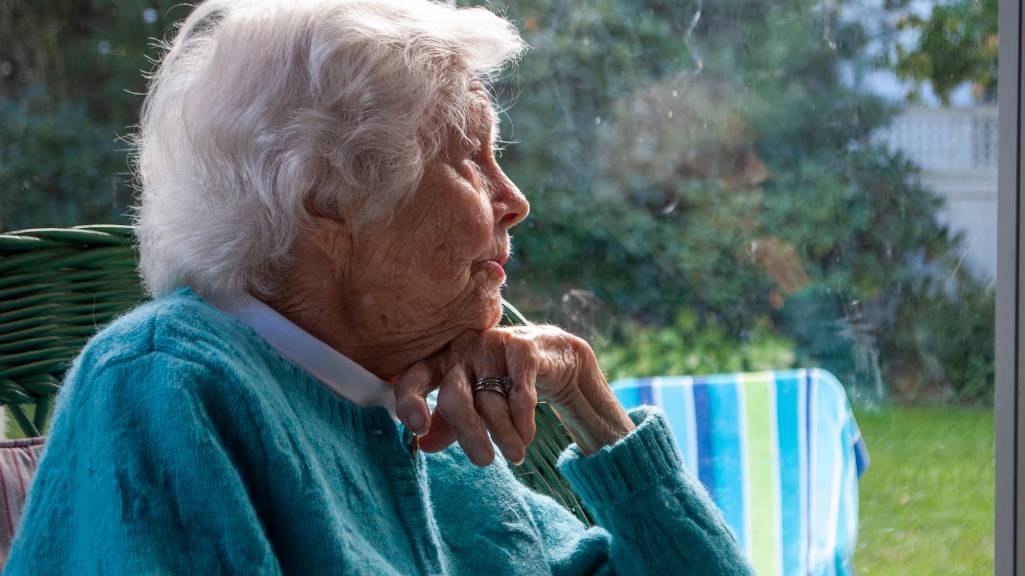
Depression is one of the major challenges having an effect on up to 60% of individuals with Parkinson’s disease. This has a significant impact on emotions and mood that is frequently dismissed or overlooked since it is complex and challenging to discuss objectively as opposed to the obvious non-motor symptoms. Being human and dealing with Parkinson’s disease it is common to possess emotions of tremendous grief, unhappiness as well as anxiousness plus stressed regarding the future. It is when all these emotions cross over and ends of being on-going developing into the realm of clinical depression. It is essential to become conscious of its symptoms, consequently in the event you experience it, it can be treated effectively and efficiently.
Depression is a component of PD itself resulting from modifications in the chemistry of the brain causing continuous feelings of hopelessness, overwhelming sadness or decline involving motivation. It may manifest as despondent disposition, memory difficulties, fatigue, drowsiness and insomnia. Other symptoms of depression consist of irritability, poor concentration, loss of enjoyment in a sociable environment and hobbies, reduction involving ones appetite or elevated appetite. Apathy and anxiousness additionally might also happen together with depression. Parkinson’s disease affects the region of the brain where dopamine, norepinephrine and serotonin are produced. These chemicals help regulate mood, energy, motivation, appetite and sleep. Depression is continual, lasting for weeks or longer. It’s essential to understand that depression can intensify both the motor as well as cognitive symptoms of PD.
Precisely what is the distinction between sadness and depression? While sadness is short term, depression is continual, and the individuals who experience this discover that they cannot appreciated life as they used to. A number of people may begin having persistent thoughts that they would be better off dead or might actually begin preparing on ending their life. The existence of these symptoms on most days for two weeks indicates a diagnosis of depression and must be discussed with a physician.
Individuals with PD are most likely going to experience clinical depression during some period during the disease. This could happen early on or late in the progression of Parkinson’s, and have an ebb and flow in severity. Depression will produce personal struggling and tends to intensify problems with mobility and memory. An individual with Parkinson’s, and those who are part of the comprehensive support team including their physician, might initially dismiss the symptoms of depression assuming it is Parkinson’s creating the problem. They usually rationalize this is normal behavior dealing with the future of the disease. It is critical to address depression as this impacts Parkinson’s symptoms as well as quality of life. When in doubt if a loved one is struggling with depression, speak with your physician immediately. With a diagnosis of clinical depression, there is no simple type of treatment; however there are a few guidelines which are usually true for practically everyone.
Number one: it is critical to have a planned treatment program of Parkinson’s. An individual with Parkinson’s that have uncontrolled “on-off” periods and frequent freezing episodes are more predisposed to depression. Discuss with you physician how to approach and manage these symptoms. Also the other, non-motor symptoms of Parkinson’s disease, as an example, poor sleep, constipation and fatigue. These have to be addressed and treated in order to manage the disease and have a quality of life.
Number two: exercise should become part of you daily lifestyle as well as a healthy diet and active social life. Exercise is the best anti stress activity one can participate in to help manage the symptoms of both depression and PD. Exercise regularly, with stretching, aerobics, strength and balance couple with an overall wellness program of good diet for development of a lifestyle to manage the disease. It is also important to maintain a healthy recreational and social life. Be productive and live life and look forward to meeting each day.
Number three: look for and utilize the psychological programs for stress management, relaxation and cognitive behavioral therapy. Also participate in support groups if possible. These programs and interactions found in support groups and from professionals will help in dealing with day to day stress, relationships and life in general such as common sense to manage Parkinson’s.
In conclusion there are medications for the treatment of depression in Parkinson’s disease. However this pharmacological treatment approach should be structured for the individual which in all probability incorporate a couple of strategies. If something isn’t working to combat depression don’t be shy about telling your doctor as a switch in medications may better address the symptoms. Many questions remain unanswered regarding depression, Parkinson’s disease and treatments. But it is now on the radar screen and more is being done to treat this illness in individuals living with Parkinson’s.
10 Signs of Depression in Parkinson’s
1. Excessive Worrying
2. Persistent Sadness
3. Crying
4. Loss of interest in usual activities and hobbies
5. Increased fatigue and lack of energy
6. Feelings of guilt
7. Loss of motivation
8. Complaints of aches and pains
9. Feelings of being a burden to loved ones
10. Ruminations about disability, death, and dying

For those needing to log into hot646, this hot646login page will get you right to the entrance. No messing around.. Go check out hot646login.