

Being a care partner to someone with Parkinson’s, chances are you will encounter conflicting emotions and thoughts. Any of these emotions can undoubtedly have a significant consequence on a person’s emotional well-being, and symptoms of depression are not uncommon. With the additional responsibility connected with proper care might become more if there are monetary challenges, the anxiety may become overwhelming.
The outcomes involving this could be modest depression symptoms, which can hurt the care-partners immune system, making them more susceptible to developing significant health difficulties. The warning signs of feeling “blue,” despair or all alone, sleeping problems and energy loss are classic. This might lead to cerebral vascular events (strokes), cardiovascular disease, and cancer, which leads to an inability to function physically. I have had a number of my client’s care partners experience these health issues. Pay attention to your body. If you become stressed and depressed, then you have an elevated likelihood of becoming sick.
The care partner’s emotional well-being is extremely important in maintaining the security and integrity of the relationship between the care partner and a loved one with Parkinson’s. This is an exercise in understanding and discovering how to become resilient, cope with stress, and acknowledge your purpose and the disease. As Parkinson’s is a chronic progressive disease, the purpose of the care-partner goes through transformations, as do the levels of stress and anxiety if not acknowledged and managed. This requires time, effort, and preparation. Take care of yourself.
The care partner constantly has to remember Parkinson’s disease affects both the individual diagnosed and the care partner. This is now a new role; “Care Partner” for a person with Parkinson’s, a chronic, progressive disease that will consume a tremendous amount of time, energy as well as monetary resources. It is going to influence the care partners energy level, stress, and emotional stability, making an individual vulnerable to illness if not recognized and managed.
The care partner needs to pay attention to their body and become conscious of possible signs of “burnout.” This happens when the care partner isn’t managing the circumstances and becomes overwhelmed. Constantly ask for help, establish your comprehensive support team, locate available resources like social workers or grief counselors, and find a support group. The reality is the appointment with the doctor is going to be focused on the partner with Parkinson’s and not addressing your needs, which are very genuine and have to be dealt with as well.
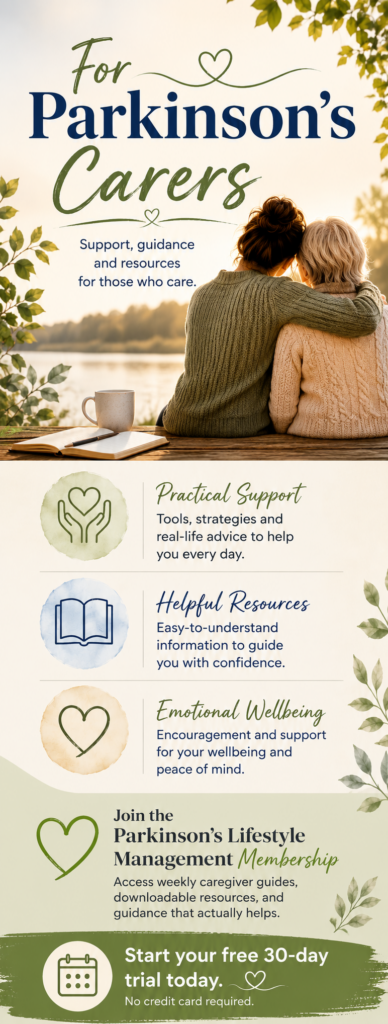
https://shorturl.fm/IkbE5
https://shorturl.fm/7VnVe
https://shorturl.fm/K2XuZ
https://shorturl.fm/hLiD2
https://shorturl.fm/v9gqA
https://shorturl.fm/6DBV6
https://shorturl.fm/C73Iw
https://shorturl.fm/UjuWu
https://shorturl.fm/IvkYU
https://shorturl.fm/pJd2g
https://shorturl.fm/B9lmz
https://shorturl.fm/cPuJw
https://shorturl.fm/fHI3h
https://shorturl.fm/86eNR
https://shorturl.fm/tC7nm
https://shorturl.fm/wuNZC
https://shorturl.fm/aedSz
https://shorturl.fm/G5d9J
Hey there! Just wanted to say I’ve been using betpawanglogin lately and it’s pretty good. Easy to navigate and seems legit. Check it out here: betpawanglogin
https://shorturl.fm/JwAUE
https://shorturl.fm/ERCeh
https://shorturl.fm/pXdQO
https://shorturl.fm/ZDZ73
https://shorturl.fm/5JgKW
https://shorturl.fm/HeMFF
Monetize your traffic instantly—enroll in our affiliate network!
Start earning on every sale—become our affiliate partner today!
Refer and earn up to 50% commission—join now!
Start profiting from your network—sign up today!
Start sharing, start earning—become our affiliate today!
Refer friends, collect commissions—sign up now!
Share your unique link and cash in—join now!