
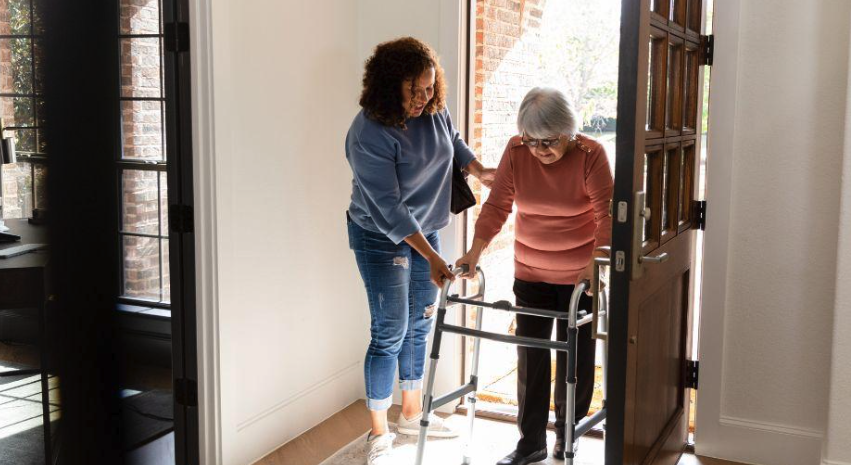
Walking difficulties are one of the most noticeable changes for people living with Parkinson’s disease. Movements that once felt automatic can gradually become slower, less stable, and more effortful. For caregivers, learning how to support safe walking is an important part of helping a loved one maintain independence and confidence.
While walking changes can feel confronting at first, there are many practical strategies that can make movement safer and more comfortable. With patience, awareness, and the right support techniques, caregivers can help reduce the risk of falls and encourage continued mobility.
Maintaining the ability to walk safely is not only important for physical health but also for emotional wellbeing and quality of life.
Why Parkinson’s Affects Walking
Parkinson’s disease interferes with the brain’s ability to coordinate smooth and controlled movement. The loss of dopamine affects how signals travel from the brain to the muscles.
This disruption can lead to several changes in walking patterns.
Many people with Parkinson’s begin to take shorter, slower steps. Their arms may swing less while walking, and their posture may become slightly forward leaning. Some individuals also experience freezing episodes, where their feet suddenly feel stuck to the ground.
These changes are not a reflection of weakness or lack of effort. They are a result of how Parkinson’s alters the brain’s communication with the body.
Understanding this helps caregivers approach walking challenges with patience and support rather than frustration.
Creating a Safe Walking Environment
A safe environment makes walking significantly easier for someone living with Parkinson’s.
Caregivers can start by ensuring pathways inside the home are clear and uncluttered. Removing loose rugs, cords, and unnecessary furniture reduces tripping hazards.
Good lighting is also important, especially in hallways, staircases, and bathrooms.
Handrails along stairs or walls can provide extra support when moving through the home. Non-slip flooring and supportive footwear also improve stability.
Even small environmental adjustments can greatly reduce the risk of falls.
Encouraging Larger, Deliberate Steps
One of the common walking changes in Parkinson’s is the tendency to take very small steps, sometimes called shuffling.
Encouraging larger, deliberate steps can help improve stability and reduce the risk of stumbling.
Caregivers can gently remind their loved one to focus on lifting their feet and stepping forward with intention. Walking at a steady rhythm or counting steps out loud can sometimes help regulate movement.
These cues help the brain reconnect with the rhythm of walking.
Helping During Freezing Episodes
Freezing is a common and sometimes frustrating symptom of Parkinson’s. During a freezing episode, the person may feel as though their feet are glued to the floor.
This often happens when starting to walk, turning around, or walking through doorways.
Caregivers can help by introducing visual or rhythmic cues. For example, placing a strip of tape on the floor can provide a line for the person to step over. Gentle counting or clapping can also help re-establish the walking rhythm.
Encouraging the person to shift their weight slightly from side to side may help restart movement.
The key is to remain calm and supportive while the person regains control of their steps.
Supporting Balance
Balance changes are another common challenge in Parkinson’s disease.
When assisting someone while walking, it is best to stand beside them rather than in front or behind. This allows caregivers to offer support if needed without interfering with their natural movement.
If extra stability is required, healthcare professionals may recommend mobility aids such as walking sticks or walkers.
Using these tools can help reduce fall risk while preserving independence.
Encouraging Regular Movement
Although walking may become more difficult over time, regular movement remains extremely important.
Physical activity helps maintain muscle strength, flexibility, and coordination. It can also improve mood and overall wellbeing.
Caregivers can encourage daily walks, gentle exercise routines, or physiotherapy programs designed specifically for Parkinson’s patients.
Even short walks around the home or garden can be beneficial.
The goal is consistent movement rather than pushing the body beyond its comfort level.
Recognising When Fatigue Affects Walking
Fatigue can make walking more challenging for people with Parkinson’s.
As energy levels decrease, balance and coordination may also decline. Caregivers should watch for signs that their loved one is becoming tired.
Scheduling walks or physical activities during times when medication is working most effectively can improve mobility and reduce strain.
Taking regular breaks helps maintain energy and prevents overexertion.
Providing Encouragement and Confidence
Fear of falling can sometimes make individuals hesitant to walk, which can lead to reduced mobility over time.
Caregivers can help build confidence by creating a supportive environment and encouraging gradual movement.
Offering reassurance, celebrating progress, and maintaining a calm presence can help the person feel more secure while walking.
Confidence often grows when people feel supported rather than rushed or pressured.
Supporting Independence Through Safe Movement
Walking is more than a physical activity. It represents independence, freedom, and connection to everyday life.
By understanding the walking challenges associated with Parkinson’s and applying practical strategies, caregivers can help their loved ones maintain mobility for as long as possible.
With patience, encouragement, and thoughtful support, walking can remain a safe and meaningful part of daily life.
Welcome to Parkinson’s Lifestyle Management
Specializing in providing authoritative, experienced practical ideas and concepts for how to handle the many day to day challenges faced by Parkinson’s patients.